



















Getting a bill for something that never happened is one of those experiences that sits somewhere between baffling and infuriating. You went in for a consultation. Or maybe a routine checkup. And weeks later, a statement arrives charging you for procedures you have zero memory of receiving. Before you assume it's fraud, it usually isn't. Errors in medical billing are genuinely common, and the reason they happen is rarely malicious. Overworked billing teams, coding mistakes, duplicate entries, system glitches, any of these can generate a charge for a service that was never actually performed. What matters now is knowing how to push back, clearly and confidently, without letting the process overwhelm you.
Why does getting billed for something you didn't receive even happen?
Medical billing operates across multiple systems, providers, and payers simultaneously. A procedure code gets entered twice. A service gets listed under the wrong patient. A cancelled appointment doesn't get flagged in the billing software. Sometimes a provider documents a planned service before it's performed, and that note mistakenly becomes a charge. None of these scenarios involve anyone trying to steal from you, they're administrative failures in a system that handles millions of transactions every single day.
That said administrative failure or not you are under no obligation to pay for something you didn't receive. And the sooner you start the dispute process, the easier it tends to be.
What should you do the moment a suspicious charge appears?
The very first thing to do is request an itemised bill from your provider's billing department, not the summary statement that typically arrives in the post, but a full line-by-line breakdown of every charge, the corresponding procedure code, and the date of service attached to each one.
Once you have it, compare every single line against your own records. Appointment notes, discharge paperwork, your own recollection of what actually happened during your visit. Any charge that doesn't match something you can verify is worth challenging.
How do you actually build a case before contacting anyone?
Gather everything before you make a single phone call. This is the step most people skip, and it's the one that makes the biggest difference to how the dispute goes.
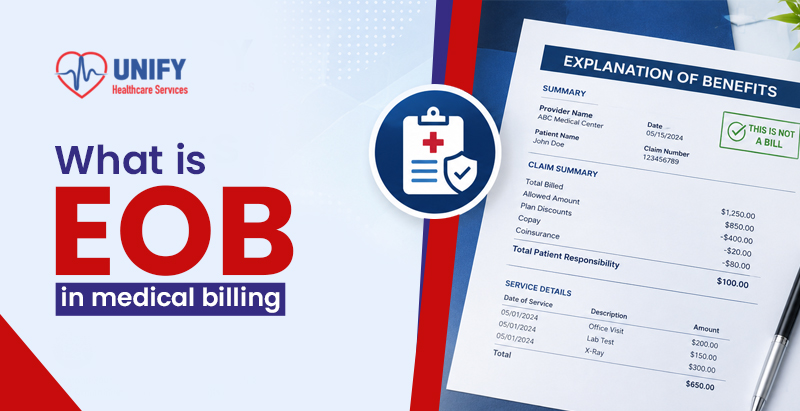
Pull together your Explanation of Benefits from your insurer, which shows what was billed versus what was approved and paid. Collect any appointment confirmation records, clinical notes, or discharge summaries you were given. Write down a clear, factual account of exactly what services you received on the date in question. The more specific you can be dates, provider names, location, what was discussed the harder it becomes for a billing department to dismiss your concern with a vague response.
Documentation isn't just preparation. It's protection. If the dispute escalates beyond an initial phone call, having a paper trail of your own is what keeps you in a position of strength throughout the process.
Is a phone call enough, or does the dispute need to be in writing?
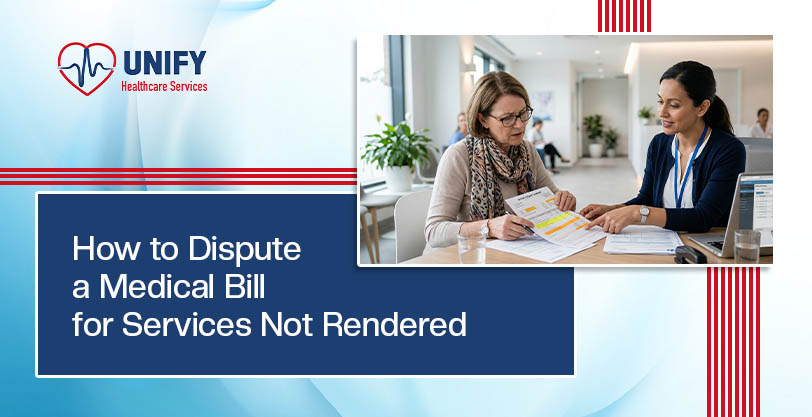
Start with a phone call, but don't stop there. Calling the billing department directly is often the fastest way to get a straightforward error corrected, especially if it's a duplicate charge or a basic data entry mistake that someone can fix on the spot. Be calm, be specific, and note the name of the person you spoke with and the date of the conversation.
But if the charge isn't resolved immediately, follow up in writing. Every time. A formal dispute letter creates a paper trail that a phone call simply doesn't. Address it to the billing department, state clearly which charge you're disputing and why, reference the specific date of service, and request written confirmation of the outcome. Keep a copy of everything you send and everything you receive back.
What if the billing department doesn't resolve it?
If the billing department isn't moving, escalate. Ask to speak with the billing manager directly rather than a front-line representative. If that still doesn't resolve it, contact your insurance company and formally flag the disputed charge, insurers have a vested interest in not paying for services that weren't rendered either, and they often carry more leverage than an individual patient does.
If neither route works, your state's insurance commissioner or consumer protection office is the next step. For charges that were billed through Medicare or Medicaid, the relevant federal agencies have formal dispute channels. And if the bill has already been passed to a collection agency, the Fair Debt Collection Practices Act gives you specific rights, including the right to request written verification of the debt before any collection activity continues.
When should you consider getting outside help?
If the dispute involves a large amount, a complex insurance situation, or a provider who simply isn't engaging in good faith, it may be worth bringing in a patient advocate. These are professionals who specialise in reviewing medical bills, identifying errors, and negotiating on a patient's behalf. Some work on a contingency basis, taking a percentage of what they save you rather than charging upfront.
For practices and healthcare organisations dealing with billing disputes from the other side of the equation, the answer lies in cleaner processes upstream; proper charge capture, accurate coding, and a billing operation built to get it right the first time rather than fix it after the fact.
Ready to stop letting billing errors cost you?
Whether you're a patient trying to untangle a bill that doesn't add up, or a practice looking to reduce the kind of errors that generate these disputes in the first place, the solution is the same. Accuracy, transparency, and a process that treats every claim as something worth getting right especially when it comes to Rendering in Medical Billing.
At Unify RCM, that's exactly how we approach every billing relationship. Our team is dedicated to making sure that only what is delivered is submitted, protecting you and your patients from the costly, time-consuming consequences of billing errors that should never have been.
Reach out to us and grow now!